
Explore Our Area
Select an area to explore its stories and history.
Reigate
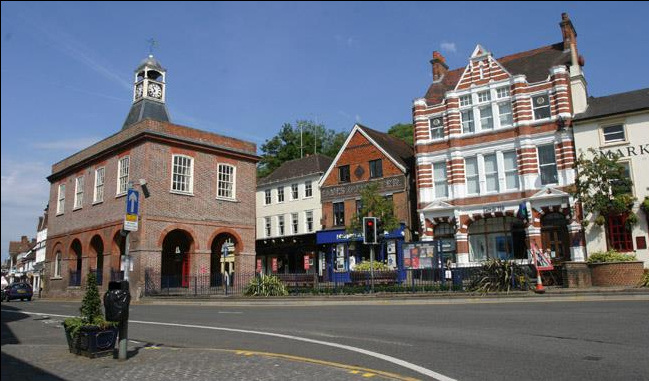
With origins that date back to the Anglo-Saxon period, Reigate grew rapidly around a motte-and-bailey castle built by the de Warenne family shortly after the 1066 Norman Conquest. Emerging as a prosperous medieval market town renowned for its white sand and fullers' earth, its historic High Street is still characterized by Georgian and Victorian architecture.
-
At Christmas 1836 a great snowstorm paralysed the country and cost many lives
📄 Read the article -
The Captain Swing Riots of 1830-1832 saw desperate Surrey labourers setting fire to property and rioting in the streets
📄 Read the article -
Hidden beneath a modern office building is a link to Reigate's medieval past
📄 Read the article -
Before the welfare state, the poor of Reigate lived in fear of the workhouse
📄 Read the article -
Roger Newstead, three times mayor of Reigate and Banstead, writes about the history and role of the mayor.
📄 Read the article -
A vanished Reigate memorial to a brutal Georgian murderer
📄 Read the article -
Uncovering the chilling story of when the Resurrection Men came to Surrey
📄 Read the article -
Delving into the story of whether a Reigate surgeon dissected the bodies of criminals.
📄 Read the article -
Royal coaches once passed through Reigate but did a local woman really see four monarchs?
📄 Read the article
Redhill
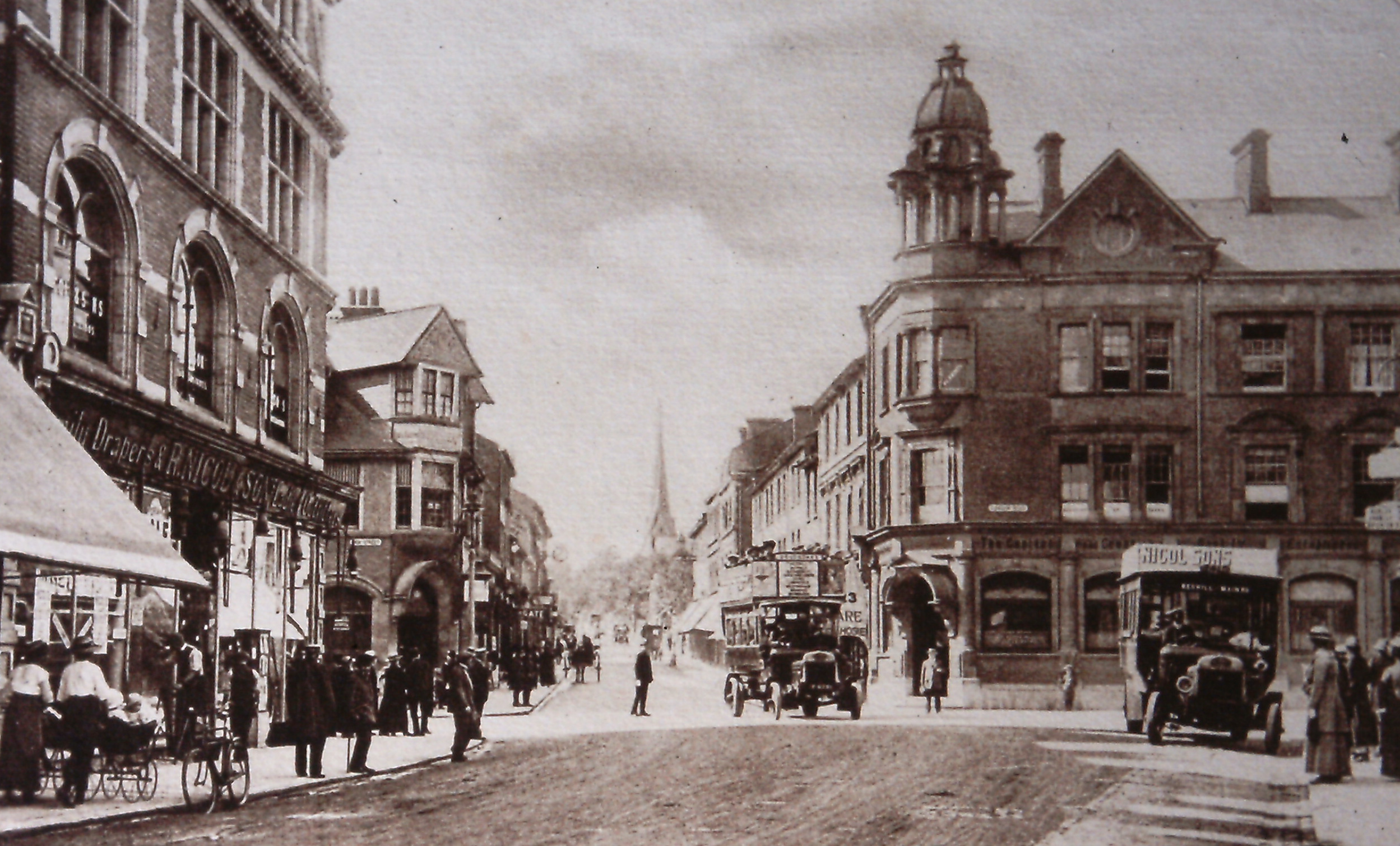
Redhill began to grow significantly with the arrival of the railway in the 1840s. Originally part of the parish of Reigate, it developed its own distinct identity as a commercial hub. During the Victorian era, the marketplace became the centre of daily life, surrounded by burgeoning industries such as sand extraction and fuller's earth.
-
From Victorian fox hunts to a much-travelled lucky wartime mascot, uncover the fascinating 180-year history of Redhill’s iconic landmark.
📄 Read the article -
Eight people died in Redhill at the height of the Luftwaffe raids.
📄 Read the article -
After the war, a former submariner sought news of a Redhill man his U-boat had sunk.
📄 Read the article -
During the Blitz, Redhill's Walter Wilson drove through the night to keep Britain's wartime mail on the move.
📄 Read the article -
Forgotten beneath the growing railway town lies the lost farm of Robert's Hole.
📄 Read the article -
"Ghastly", "hideous" and even "horrid" - discover what earlier writers have really thought of Redhill.
📄 Read the article
Nutfield
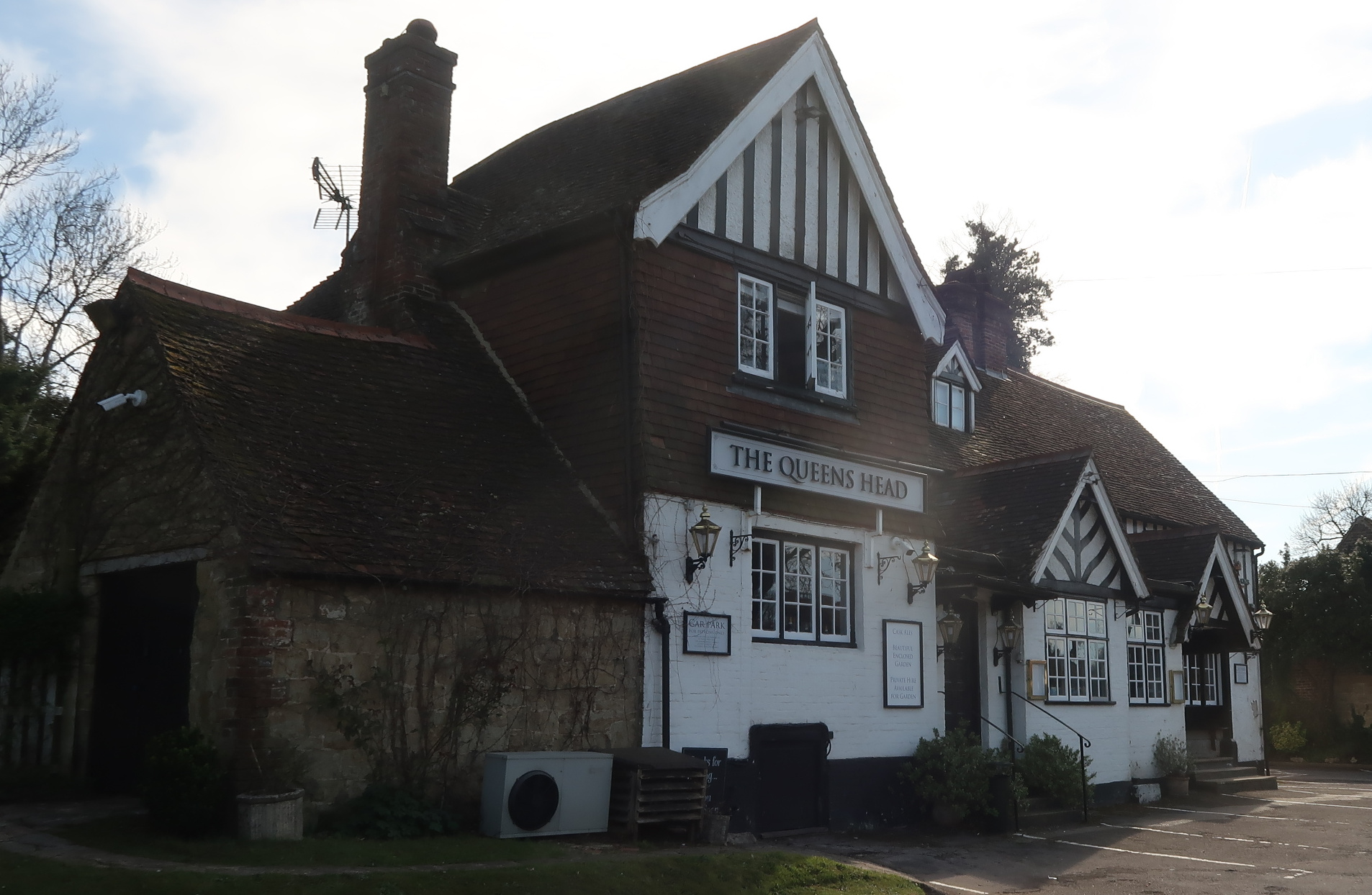
Nutfield’s story stretches from Roman times to the present day, evolving from a medieval farming settlement into a Victorian commuter village. Shaped by agriculture, the Black Death, the railway, and wartime aviation, it has retained much of its rural character while preserving historic buildings, landscapes, and community heritage.
-
Why is Nutfield six miles long but only two miles wide? The answer lies in the way medieval manors were laid out to give each community access to different types of land.
📄 Read the article -
From Roman laundries to face masks, Nutfield's fuller's earth became one of Britain's most valuable natural resources.
📄 Read the article
Merstham
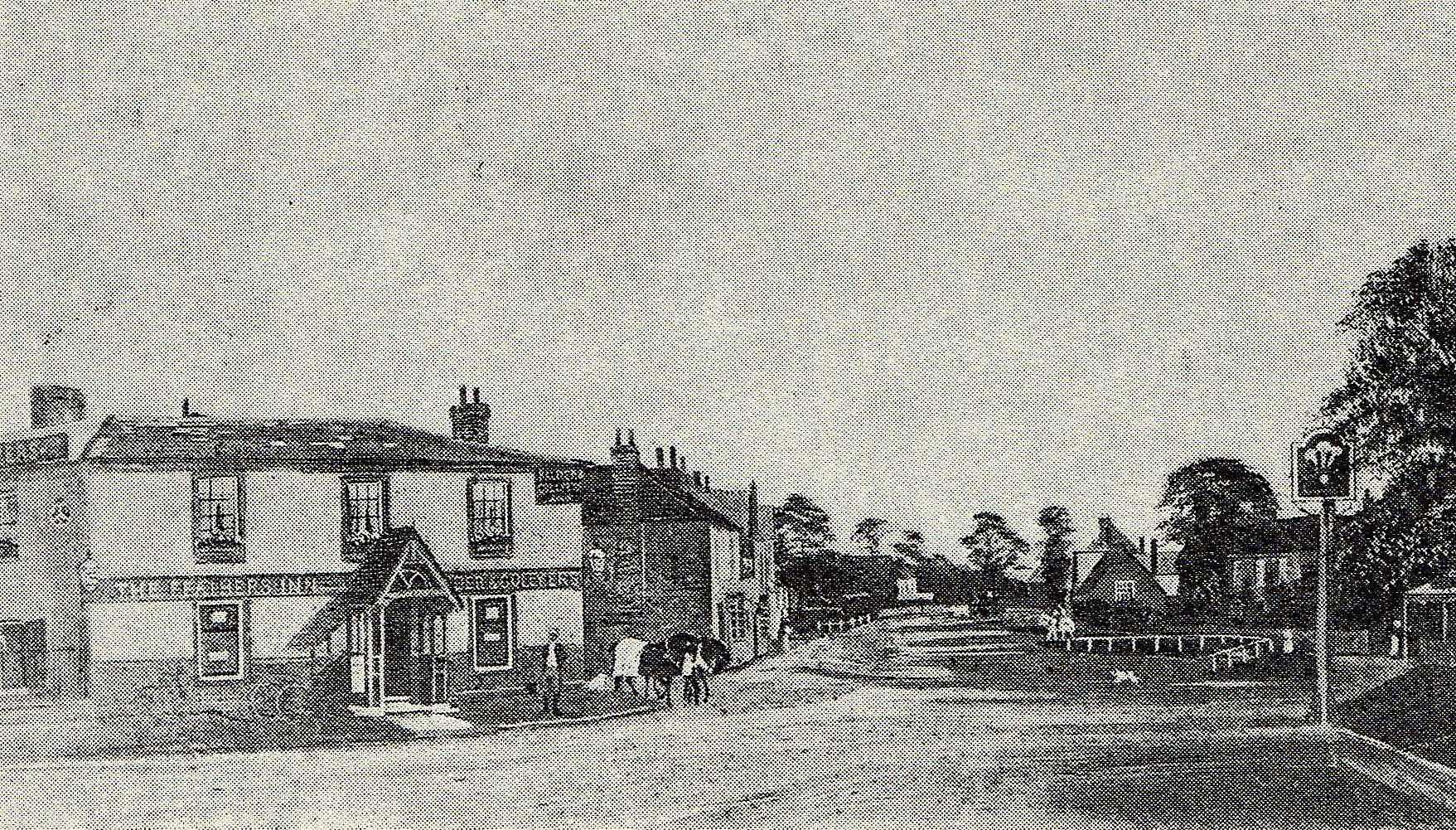
Merstham, a historic village in Surrey recorded in the Domesday Book of 1086, grew as an agricultural and quarrying community known for extracting Reigate Stone used to build Windsor Castle among many other places. It notably featured the horse-drawn Croydon, Merstham & Godstone Iron Railway, the world's first public railway (1805). The village expanded further with the 1841 opening of the London and Brighton Railway.
-
Nicky Brownjohn is one of the Redhill History Centre volunteers. Here is her story of how she uncovered so much more about the history of the Merstham Tunnel murder
📄 Read the article -
The Merstham Tunnel Mystery and Beyond. The story of Mary Money and her murderer
📄 Read the article -
An ancient charter records the parish boundaries that persist today
📄 Read the article -
How a Merstham toll-keeper's wife triumphed in court over an entitled reckless driver.
📄 Read the article
Earlswood
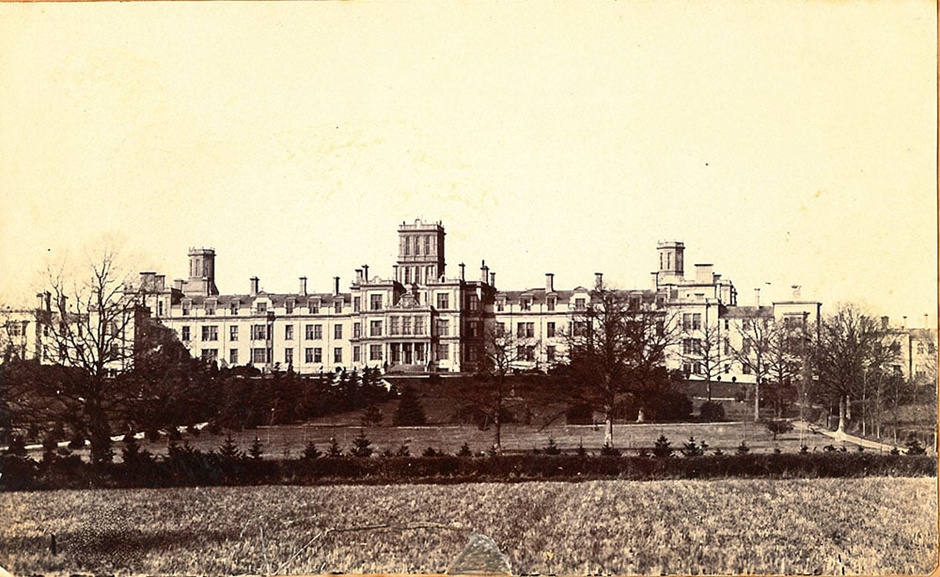
Earlswood evolved from a rural expanse with medieval tile works into a Victorian suburb of Redhill and Reigate. It is most renowned for hosting the Royal Earlswood Hospital, one of the world's first asylums built to care for people with learning disabilities. The area’s development was anchored by the opening of the Earlswood railway station in 1868, alongside an expansion of Victorian terraced housing and brickworks.
Today, the former hospital site has been transformed into residential housing and Earlswood Common—dating back to the 1300s—remains a historic local nature reserve. Evidence exists of human activity on the Common dating back thousands of years.
-
The history of a long-forgotten pub on Asylum Arch Road.
📄 Read the article -
A classic railway pub through the ages
📄 Read the article -
A violent gang of horse thieves leave a trail of destruction in 1820s Earlswood
📄 Read the article -
Famous author George Eliot found health and creative freedom in the woods and commons of Redhill and Earlswood.
📄 Read the article
Bletchingley
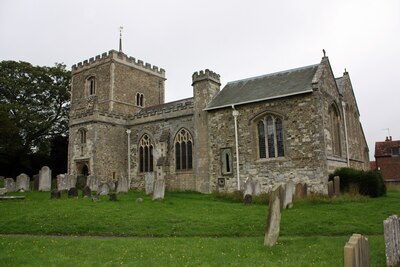
Bletchingley is one of Surrey’s oldest and most historic villages, with evidence of human activity stretching back thousands of years. Archaeological discoveries in the area suggest settlement from prehistoric times, while the village itself was firmly established by the Saxon period.
-
Discover the illustrious owners of Bletchingley Place, a Tudor Manor House that was once the home of a former queen
📄 Read the article -
Bletchingley has an ancient history with many thousands of years of occupation before the Norman Conquest
📄 Read the article -
Roger the hermit once lived at St. Mary the Virgin, Bletchingley in the time of Henry III
📄 Read the article